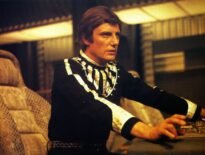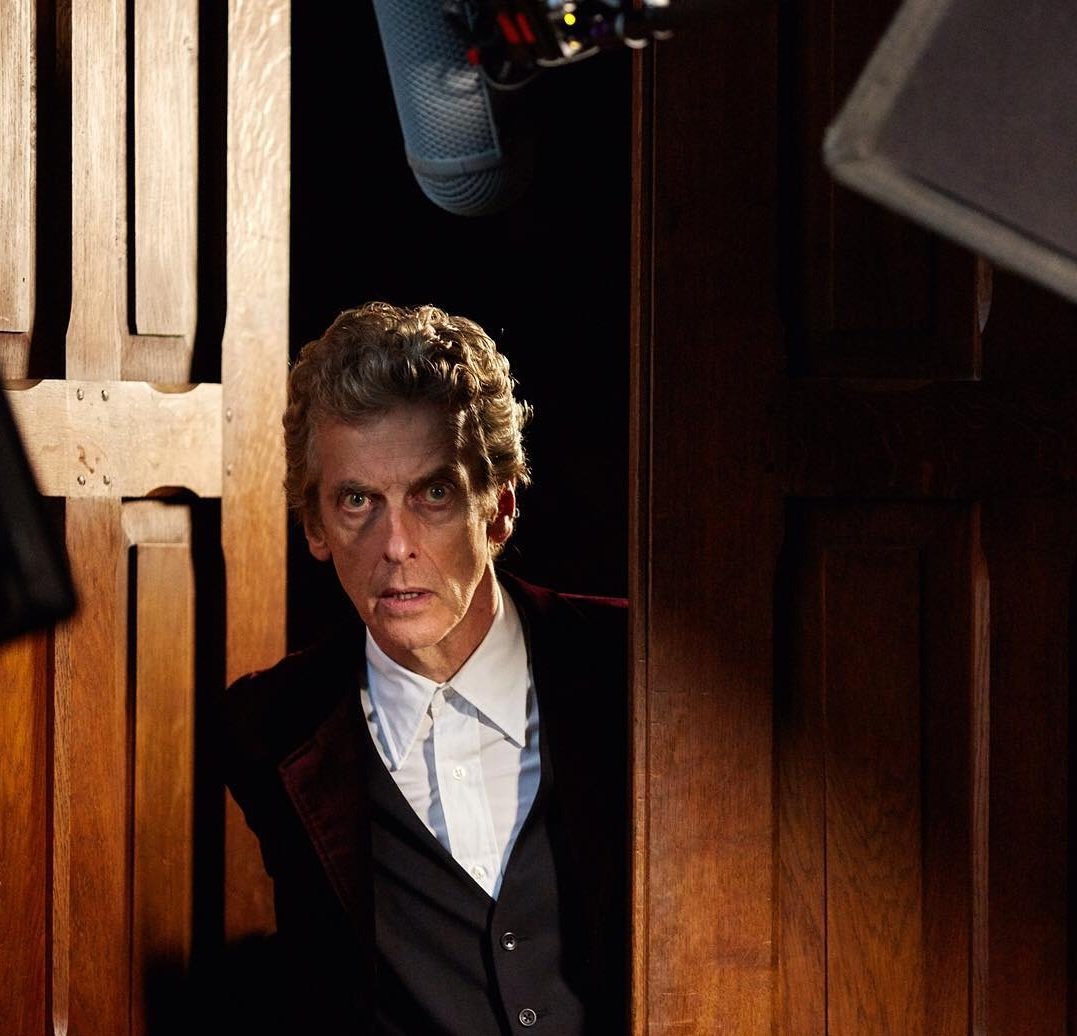
Twelfth Doctor actor, Peter Capaldi, has said that Doctor Who has become “a little bit of a victim of its success”, and suggests the scale and importance of the show now means it feels different to how it did back in the 1970s and 1980s.
Capaldi, who played the Doctor between Deep Breath in 2014 and Twice Upon a Time in 2017, said:
“The show became very, very big. And it was never like that when I loved it. So it became a different thing. I think the responsibilities of playing the part became more… there were more of them… I mean, I think in the old days, if you were Jon Pertwee or Tom Baker or something like that, you spend most of your year making it and then a bit of your year promoting it.
“But it wasn’t this in-your-face kind of thing that suddenly was really important to the BBC, or suddenly really important to a brand that had to be maintained.
“It was just a show that some kids really loved, and other kids didn’t care about, but wanted to watch football, or you grew out of. It became this sort of very important thing – I think less in a cultural way and more in an economic way.”
He concluded:
“The show that I loved was a tiny thing, a little small thing that survived. It just survived and then it didn’t. But nobody knew that it was worming its way into the culture in such a deep way. And I think that’s what I have an affinity with.”
Indeed, many of the stories that work best are smaller affairs than anything universe-ending or anything considered “event TV”: think Blink, The Eleventh Hour, and Heaven Sent, the latter starring Capaldi himself.
Then again, sometimes, big event TV or at least episodes that have attracted large audience figures also have smaller scales, like Voyage of the Damned (Earth might be at risk, but we’re primarily focused on a bunch of survivors in the Starship Titanic) and The Day of the Doctor (the Time War plays a key component, but really, this is about grief and responsibility).
What do you think, DWC readers?