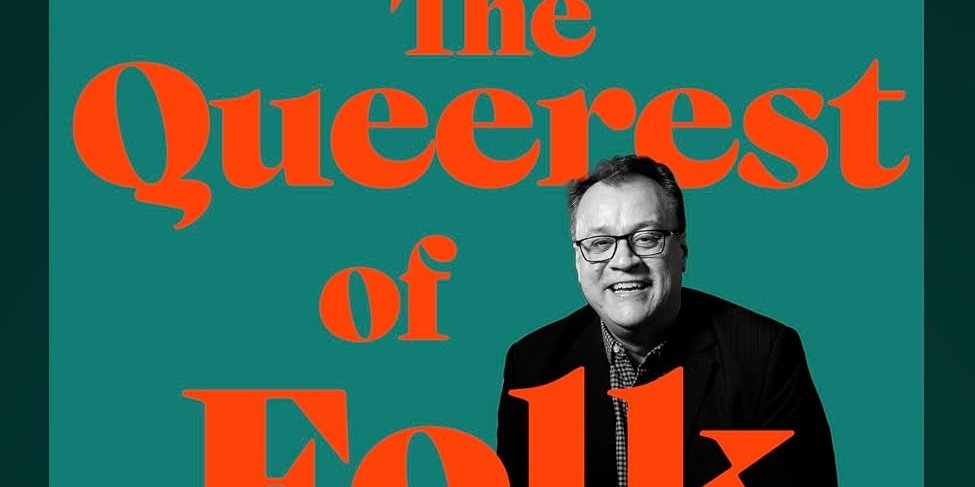
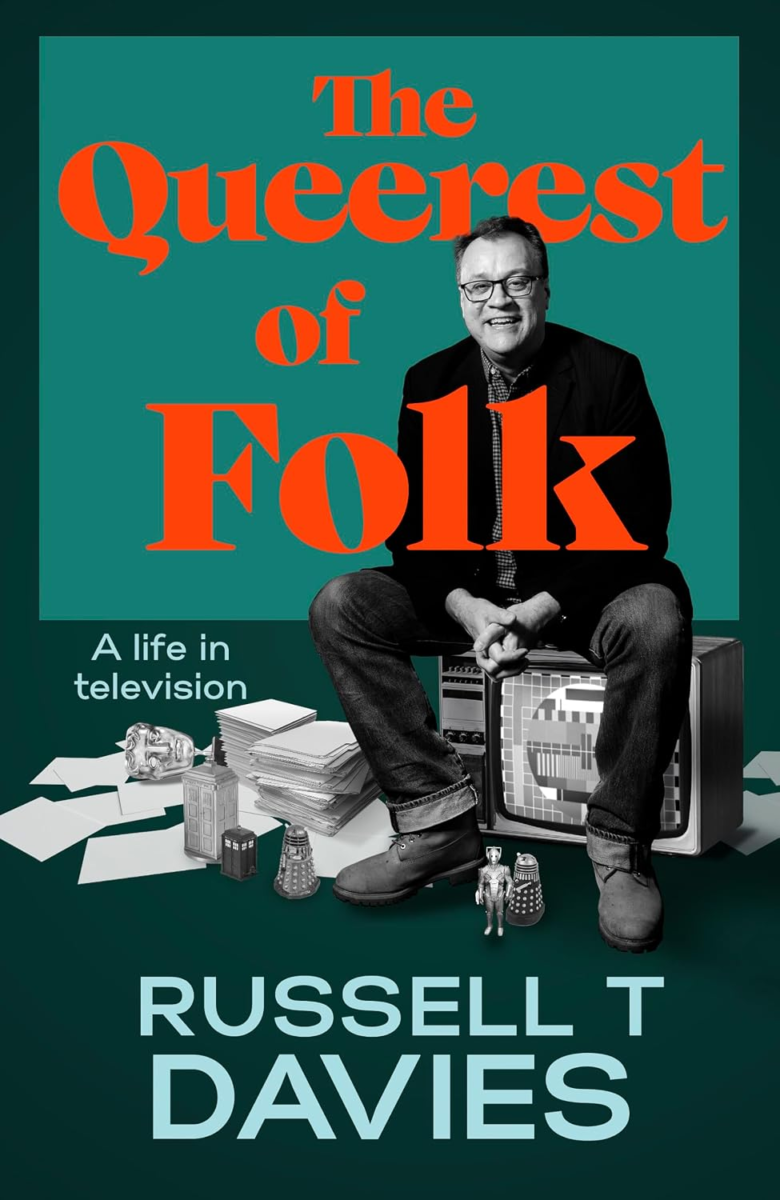
Let me guess… what you want to know about this book is: what’s the gossip, the revelations, the inside story of Doctor Who RTD1 and (particularly) RTD2. And you get that (to an extent), but this book is far more than an expose, a celebration, a justification or a mea culpa, although there are elements of all of those. As the title suggests, it’s about RTD’s life, focusing particularly on his television writing and production.
In that way, it may frustrate readers looking for a Who-centred world. Each and every part of his body of work is discussed, with separate chapters for big hitters like Queer as Folk, It’s A Sin and this year’s Tip Toe. It also covers more minor hits and underappreciated series like Cucumber, Nolly and (the astounding) Years and Years – all of which have much to recommend but didn’t find a mass audience or hit the headlines.
RTD is honest about some of his failings. He states clearly his belief that he’s a significant and important TV writer – never shying away from his awards and accolades.
Each of the series is examined from the initial ideas through to production, broadcast, and reception, with RTD enthusing about his creativity, but being realistic about the success and impact of each programme. He’s bold, brash and ‘hoots’ a lot, and waxes lyrical about his cast and production teams. Also occasionally detailing run-ins with his crew, such as a blow-up with former Doctor Who script editor Antony Root when they were working together on The Grand.
But it’s not all about his television shows, the one part of RTD’s personal life that is recounted in detail is his relationship with his long-term partner (and eventually husband), Andrew. Their story takes centre stage after RTD’s initial time on Doctor Who and his move to Los Angeles with Julie Gardner and Jane Tranter to pitch ideas to the biggest TV market in the world.
This adventure is cut short when Andrew is diagnosed with a terminal, cancerous brain tumour. For the first time since childhood, RTD chooses, nobly, to live a domestic life in Cardiff for many years and put the scriptwriting on the back burner, until Andrew sadly dies.
Showrunner
In amongst this, ‘The Dream Job’ (as the chapter on his first stint as Doctor Who showrunner and lead writer is titled) gets a fairly short page count, detailing the highlights – Billie Piper and David Tennant’s triumph, Kylie at Christmas, getting Catherine Tate for a whole series – but it largely skirts over the challenges. To be fair, his previous book Doctor Who: The Writer’s Tale was a deep dive into his life and experiences writing and showrunning Doctor Who.
There’s scant detail about why Christopher Eccleston left after one series. Knowing what the actor has said scathingly about the production team, RTD in particular, about his experience filming, it’s surprising to read that “…it became gradually clear as we went along that Christopher Eccleston would be happy to move on from being the Doctor.”
Eccleston’s subsequent pronouncements could not reasonably be described as ‘happy’, and ask Big Finish if he wanted to ‘move on’ from being the Doctor. It’s understandable that RTD didn’t want to put the whole (presumably sorry) affair in writing. He’s been generously? stubbonly? tight-lipped about his perspective. One day we may know the full story. Just not today.
But I suspect the real interest for Doctor Who Companion readers is the chapter about RTD’s return to running Doctor Who in 2023. And it delivers to an extent. He details his reasons for coming back and the relationship with the streaming service, Disney+.
He makes the case that Disney didn’t really know what they were getting, but makes it clear that the executives ended up with a fondness for Doctor Who. But the ratings and reception meant that they chose not to grant a third series.
And this is where we do find out some hitherto unknown details of what was planned for Gatwa’s third run. There were three completed scripts from other writers: a Great Fire of London historical epic by Laurence Clark and Jack Thorne, a space-station horror story about trypophobia by Lydia Adetunji, and an episode set in a Manchester council estate by Sharma Angel-Walfall.
The season would probably have also featured the return of Jonathan Groff’s character Rogue in a 1980s-themed Blackpool arcade adventure (sound familiar?), alongside a new commission from writer Juno Dawson. The series was planned to culminate in an epic four-part Dalek finale.
Avoid Spoilers
I was hesitant to give these ‘spoilers’ for the book, but they will already have been revealed and discussed on podcasts, chat rooms, YouTube… so you might as well have them here. Like the earlier Doctor Who chapter, the Disney years section offers no indication as to why Ncuti Gatwa left – if it was amicable, pragmatic or acrimonious.
Likewise, no mention of last minute re-shoots, or the unfinished story arcs of The Boss and Susan etc. The regeneration into Billie Piper is discussed and, as suspected, it was a last-minute change with no real thought as to why or what was happening.
The saga of the proposed one-off Christmas special offers new revelations of what the proposed story was about: an old English village, massive spaceship and a festival called Winternox, with the Doctor running about shouting, “It’s not really Christmas!” – but no indication of which ‘Doctor’ this might be. And, as consolation for the loss of the Dalek epic, there would be, “lots and lots of Daleks!”.
Tempting as it might be, I’d urge readers not to skip to chapter 17: ‘The Resurrection: Supersizing Doctor Who’. The book is, as the title suggest, a narrative about a life in television, and each chapter makes sense in context, in order.
I must say, I thoroughly enjoyed the book. Its prose zips along, there are some fascinating revelations about roads not taken by RTD, including James Bond, Star Wars and Succession. RTD is honest about some of his failings, but go elsewhere if you want sack cloth and ashes. He states clearly his belief that he’s a significant and important TV writer – never shying away from his awards and accolades. And quite right too.
If, like me, you are a fan of RTD’s broader writings and want to delve deeper, this is definitely the book for you. It’s also for you if you enjoy his Doctor Who output, but want to learn more and dive deeper. But for those who feel he dragged Doctor Who in the wrong direction in either his first or second time as showrunner (or both), you are unlikely to have your opinion altered.
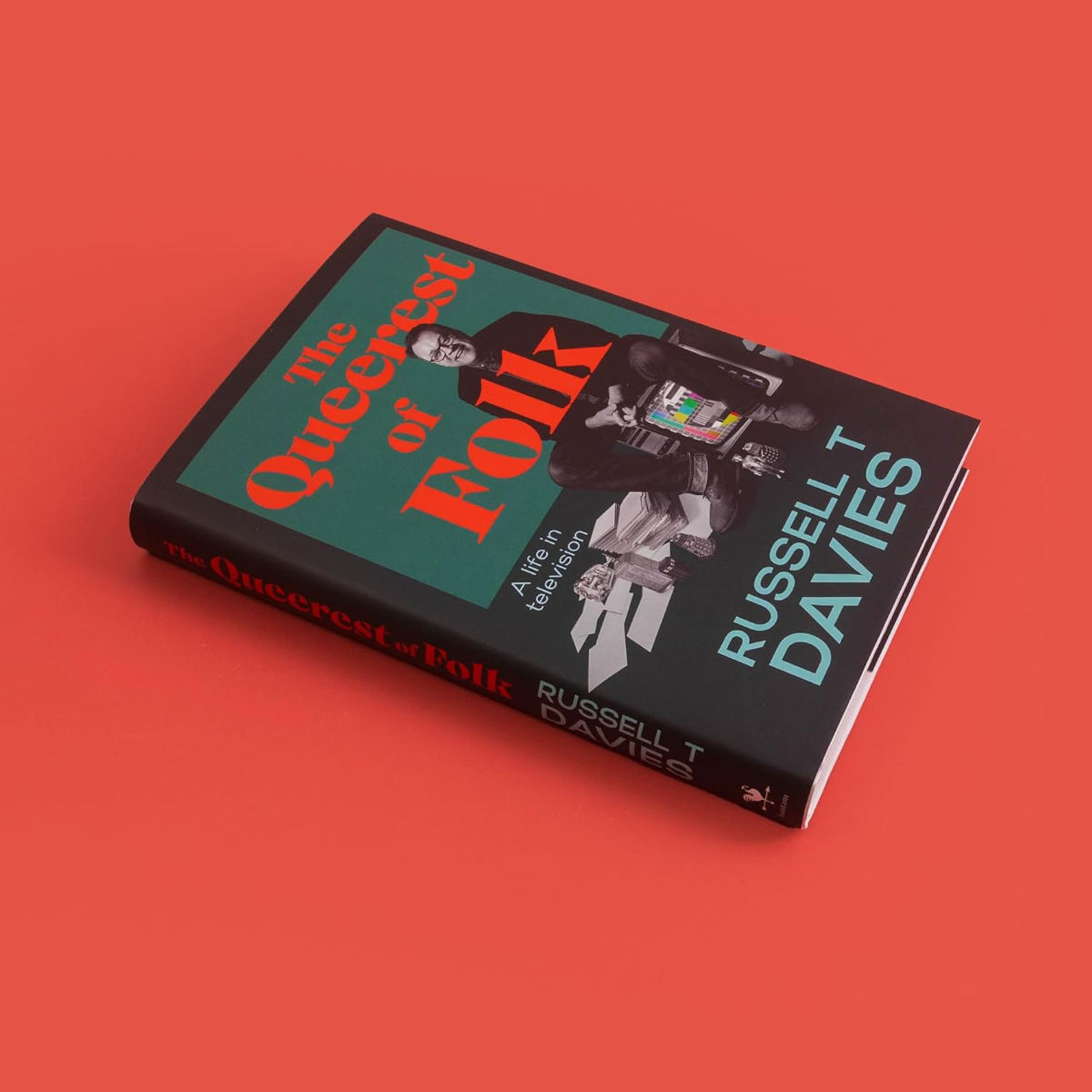
The Queerest of Folk: A Life in Television by Russell T Davies with Boyd Hilton is available from bookshops, Waterstones, and Amazon.