
Is it better to love the art rather than the artist? I don’t know about you, but my answer is something of a mixed bag. It goes without saying, of course, that anyone who has even the slightest involvement in the show automatically goes up several levels in my estimation. From the actors in front of the camera to people working behind the scenes. And let’s not forget all those additional connections that Doctor Who has established with the writers of all manner of novelisations, books, and magazines. Then there’s the talented artists and musicians who have added so many wonderful contributions in that regard, plus all the worlds that Big Finish has opened to us and everyone involved in making those adventures, which have given so many opportunities to add to our enjoyment of Doctor Who. I can only apologise if I’ve missed out anyone from this ever-expanding industry, but if you’re involved in anyway whatsoever — and that includes our regulars on the DWC — let me just say that you’re already one of the ‘good uns’ and that the first drink is going to be on me.
(Just don’t push your luck at the bar: none of those Italian beers — they cost a fortune — and don’t be asking for a large wine; that’s just taking the pish — we hardly know each other, you decide to roll up, and suddenly you think you’re worth a third of a pigging bottle! Have a word with yourself. What’s wrong with a lime and soda? It’s refreshing. And buy your own nuts!)
As you can probably tell, my admiration for almost everyone involved with Doctor Who is genuine and enduring. But a recent article made me wonder whether that admiration should come with a health warning. No one is perfect, including the people who play our heroes. Expecting them to be flawless — or to meet standards we don’t apply to ourselves — is both foolish and deeply naïve.
I must admit that this thought only bobbed into my head after reading an interview in Doctor Who Magazine #634. For once, the interview that takes place with Anneke Wills isn’t filtered or coy. When it comes to the particular version of events that the actress wants to tell, there’s absolutely no holding back on any front. It’s an incredibly refreshing change and more than a little shocking in places. After so many instances when the magazine has often frustrated me with nothing but ‘glowing’ opinions about the most recent version of the show, on this occasion, I can only commend the interviewer, Benjamin Cook, for some really thoughtful questioning. If you haven’t had the chance to read the piece yet, I’d urge you to find a moment and take a look. It’s the best thing that DWM has done for a fair old while, and it’s certainly worth your time if you love this era of Doctor Who.
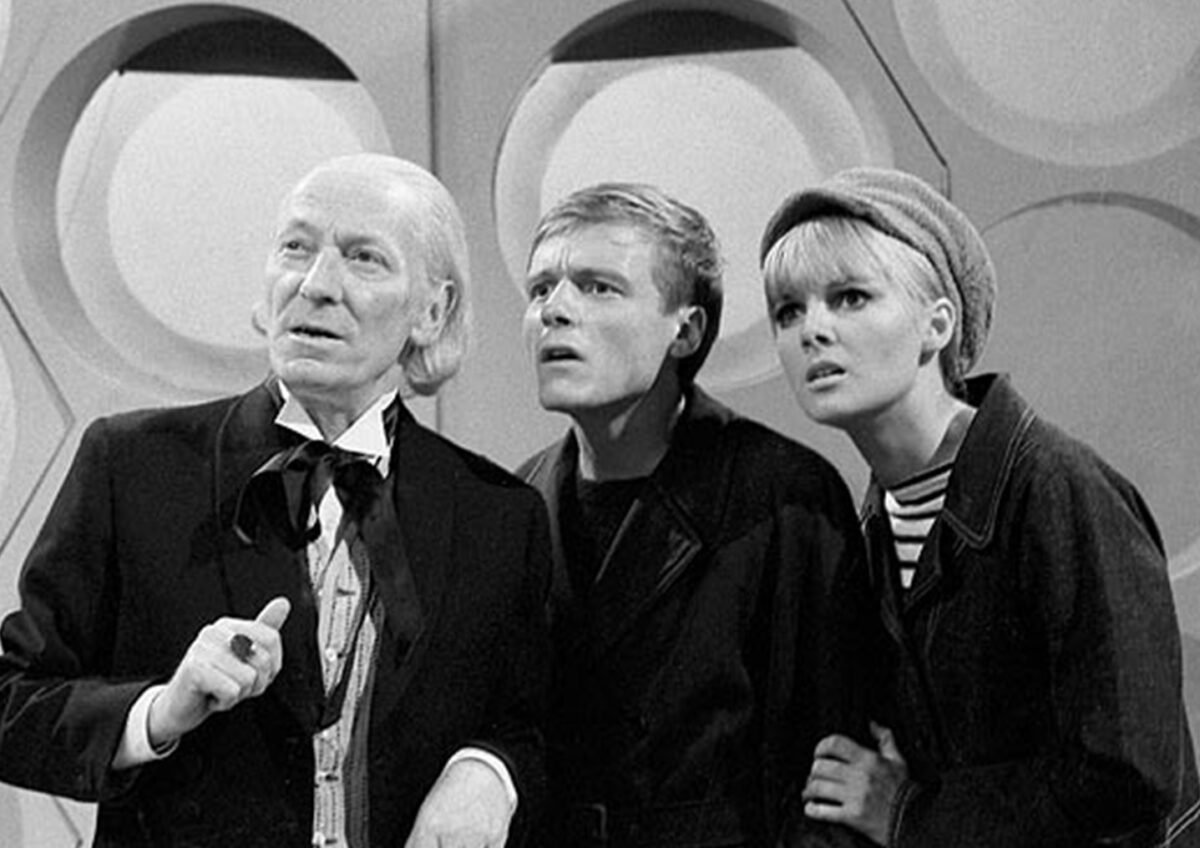
So, what has Anneke Wills said that makes pause about particular ‘heroes’ from Doctor Who? Along with Michael Craze, who played fellow companion Ben to her character Polly, Anneke only appeared in three adventures with the first incarnation of the Doctor. But that hasn’t stopped her from having some very strong opinions about that brief period. Anecdote-wise, there’s probably nothing that’s completely new here. The actress mainly confirms a few things that we already knew about William Hartnell as he came towards the end of his run as the Doctor:
“He was a good actor. He was a man of his time and a complicated character. He had many sides, and that was one side – explosive and unpredictable. You tried not to go there, or that side would come out.”
But when it comes to some actual specifics, Anneke Wills goes on to mention a few things about Hartnell that make for slightly uncomfortable reading.
“On one of our first stories, we were rehearsing and there were workmen in the street outside. Bill was fuming. He said, ‘We’ve got to move rehearsal rooms. I’m not having those black people out there making that noise.’ Mike blew up: ‘That’s bloody stupid. What are you, a racist?’ Straight in there. And Bill exploded: ‘I’m not working with this young man’!”
The actress then adds her overall feelings about Hartnell later in her interview.
“I never warmed to him, because he took against Mike. I wasn’t having that. I wouldn’t play William Hartnell’s game.”
Ouch! That’s hardly a glowing tribute to the man who played the Time Lord of Totter’s Yard. Today, Hartnell’s behaviour would correctly raise serious questions and, let’s be honest, would probably get him dismissed before filming began. Still, we don’t know the full context. His illness may have made him unusually irritable and prone to lashing out. People sometimes say dreadful things in frustration without considering the consequences; this may have been an impulsive outburst rather than evidence of deeply held prejudice. The attitudes of the time, however widespread, do not make such remarks right. Even so, it’s worth understanding how otherwise decent people saw the world and perhaps we should allow some forgiveness for those who were simply reflecting their era.
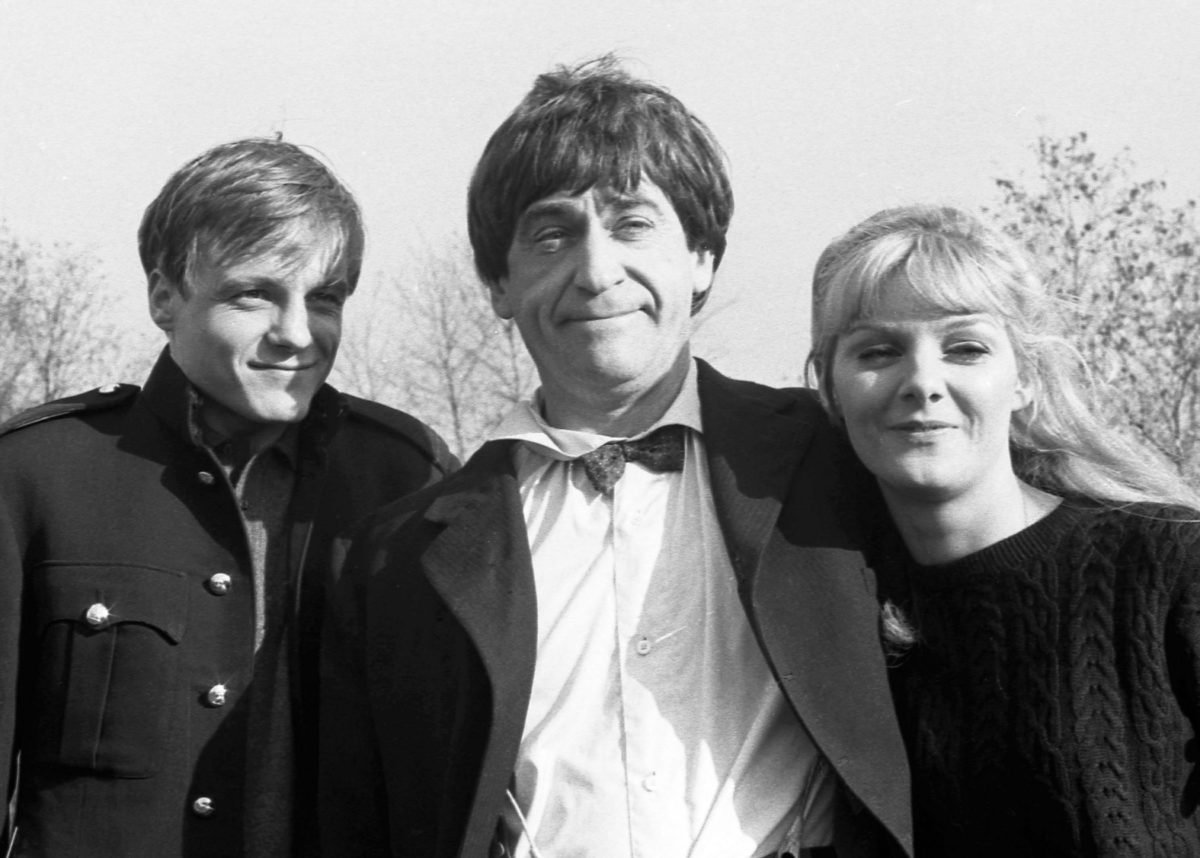
When it comes to Patrick Troughton, it’s clear that Anneke Wills has a considerably more enthusiastic attitude to their working relationship. Moving from Hartnell’s aloof leading man to a more open and collaborative approach with Troughton seems to have been a breath of fresh air for the actress.
“I loved him to bits. He was adorable and humble. He came in asking me and Mike what we thought. He was anxious: would we please tell him if we thought he was going over the top? For this great actor to humble himself and say, ‘I need your help, guys. You’ve been here before. What do you reckon?’ – that meant everything to me and Mike.”
From what I’ve read about the actor who gave us the second incarnation of the Doctor, this appears to be the consensus of just about anyone who worked with him. Like Hartnell, he was 100% committed to giving us the best portrayal of the character. Without him successfully shouldering this pressure and moving the show forward, there would have been no chance of continuing the programme into the decades that followed. Yet, if we look through the current modern lens, where people are now held to intrusively high standards of behaviour, could there be a scenario where Troughton doesn’t get the role because of his chaotic home life?
Don’t get me wrong, I’m not moralising in anyway whatsoever.
In my opinion, someone’s private life, regardless of them being in the public eye, is entirely their own business. If they are outstanding at doing their job, and breaking no laws, just let them get on with it and reap the rewards. But when the BBC comes to cast the Doctor in the near future, with all the press that would inevitably follow, would the corporation choose an actor who is leading a double life with two families? Times have moved on, I hear you say; people are more open than ever, and they are not as judgemental. I’m not sure if I’d agree with that notion; in fact, I would probably argue that it’s actually gone the other way. These days, the ‘look’ of something and how it comes across in regard to current trends and public opinion is far more important than the actual content.
It’s a scary, almost ‘sliding doors’ thought, but how would the flaws of Hartnell and Troughton be perceived now? Would there be a cloud hanging over the show because the actor playing the First Doctor was sacked for his remarks? Would Troughton, the man who was responsible for helping to set up the idea of regeneration and all the incarnations that followed, be prevented from stepping into the TARDIS because of his life choices?
Of course, if you scratch away at anything for long enough, you can always find a little dirt. This is an old and well established practice that’s still a very sad part of human nature. It’s what once sold our newspapers and it now fuels the drama that appears on the internet. According to some, Jon Pertwee liked to be the centre of attention. So what! If the wind wasn’t blowing in the right direction, Tom Baker could be an absolute nightmare to just about anyone who fell under his evil eye. Who cares!
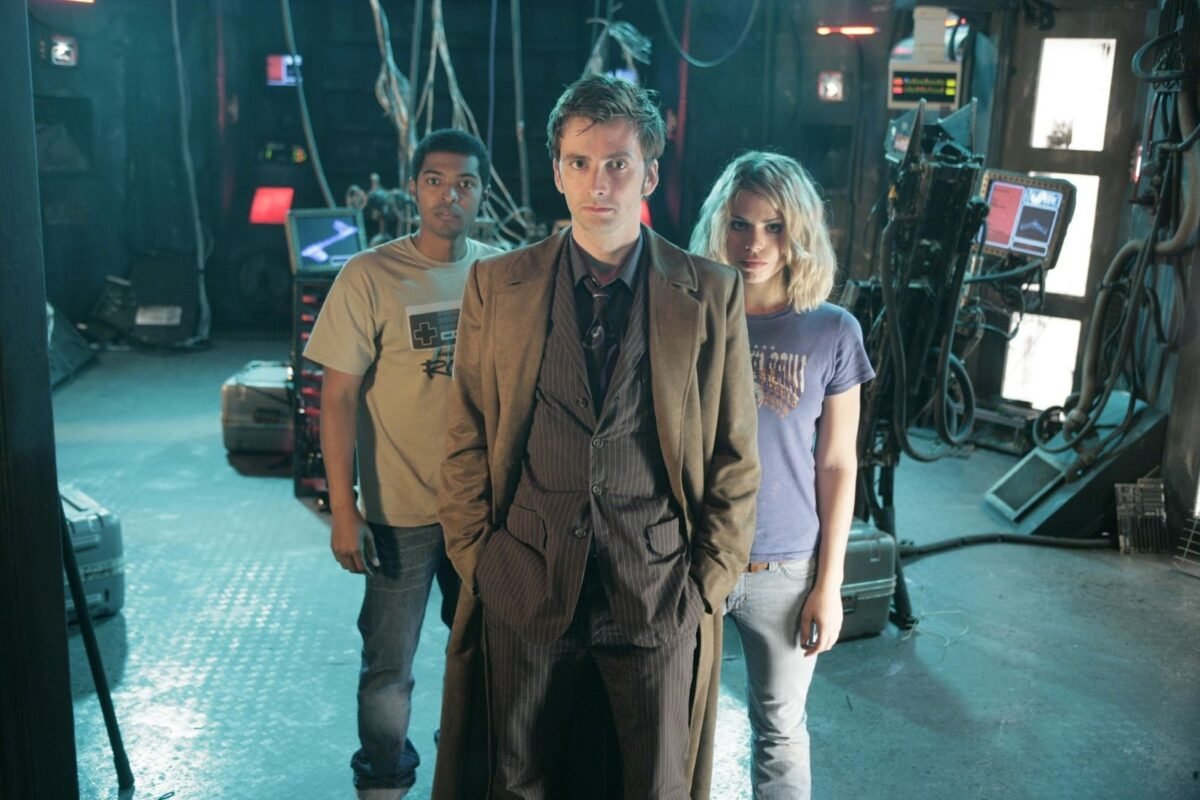
When it comes to wrongdoing, be it minor or major, I expect there’s a list of actors and members of the production team from Doctor Who that goes on for a fair old way. I bet that you could tell me tales about quite a few of them. But that’s just a reflection of life, isn’t it? For all the good apples, there are occasionally a few bad ones. From this modern era, Noel Clarke is currently in court facing serious charges. If he’s found guilty, he deserves to be punished and feel the full weight of the law. I will still like the hapless character of Mickey, who goes on a personal journey during the show and eventually ends up making something of himself, but I can’t say that it won’t be tainted by the actor who played him.
At an altogether different level, with the advent of cancelation, public figures are now regularly punished for their alleged misdeeds. More worryingly, at least as far as I’m concerned, is that they are also dropped from great heights for just expressing an opinion that is not to the liking or approval of a righteous band of others. John Barrowman hasn’t ever fully recovered from showing far too much of himself to the cast. He apparently thought it was all a joke, while others were offended and felt disgusted by his behaviour. In terms of judgement, I leave it to you to decide whether this was just a case of foolish horseplay or an act of gross indecency.
Or both!
More recently, James Dreyfus, who played a version of the Master in some of the Big Finish audio adventures, was quietly dropped from the role because he decided to openly support J. K. Rowling. Once again, you can judge as you want on the matter, but I will say that I enjoyed his performances and that I’m one of those old school types who still fully endorse people giving their views, even if I don’t like them or find them offensive. Honesty, in my humble opinion, is the starting point of any serious discussion. If we refuse to listen to each other, there’s no chance of ever finding any common ground. Accepting differences, I feel, is the only way that we can grow and move on.
So, where does this all leave us with loving the art, rather than the artist? Well, you’re bright enough to know that there’s no absolutely definitive answer to any of this. At the end of the day, we must follow our hearts and base our decisions on an individual basis. For some crimes, there are monsters hiding in plain sight who are far worse than any Dalek or Cyberman. In the UK, we had a man called Jimmy Saville, who fronted the shows that were part of our youth; in the States, you have Bill Cosby, the comedian who played the lead character in the most popular comedy show of a generation. When it comes to these men, there shouldn’t be any forgiveness. All their work is ruined and beyond repair. Other than learning important lessons about how their celebrity status wrongly protected them, we should make every attempt to go scorched earth and cast them from our collective memories. If this should ever turn out to be the case with anyone from our own much-loved show, I know that I’d feel the same way on the matter.
But when it comes to the lesser ‘crimes’ of some of our Doctor Who alumni, does anyone really have the right to cast the first stone? After years of setting so many of these people on a pedestal, I’m now wise enough to know that they make mistakes and have flaws, just like me. Despite my undoubted hero worship, I see them clearly for what they are, and I appreciate all the joy that they’ve given me over so many years. So, when it comes to those pedestals, I’m still more than happy for them to stay there; high above and much admired, with the hope they reign for a long time and never fall.

