I live in London, a city full of billboards; while only a few featured Doctor Who during the Fifteenth Doctor era, more promoted the single-series spin-off The War Between the Land and the Sea.
But what about the promotion of the ongoing Circuit Breaker multi-format series?
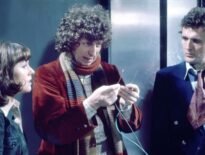
First of all, rewind to 2005. There is a great YouTube channel, called PaulMasters101, that accumulates all television reporting and behind-the-scenes coverage of Doctor Who in other visual media since the show’s 2005 revival. There were huge billboards promoting series one that year. It’s amazing just how much the BBC put into promoting the show from the off, and how Russell T Davies did interviews in print and on television that went into far more detail on the production process than anything he has revealed in the last few years. They wanted to hype up the show, and how he co-ordinated its production.

Davies talks extensively about the BBC’s own commitment to the show (intentionally contrasting itself from the shakey end to the classic era), that planning with multiple series in mind from the off was key to the broadcaster, and that producing spin-offs meant security because he would be overseeing three hit shows for the BBC and filling more weeks of air time than Doctor Who could achieve on its own. The spin-offs themselves acted as promotion for the main product.
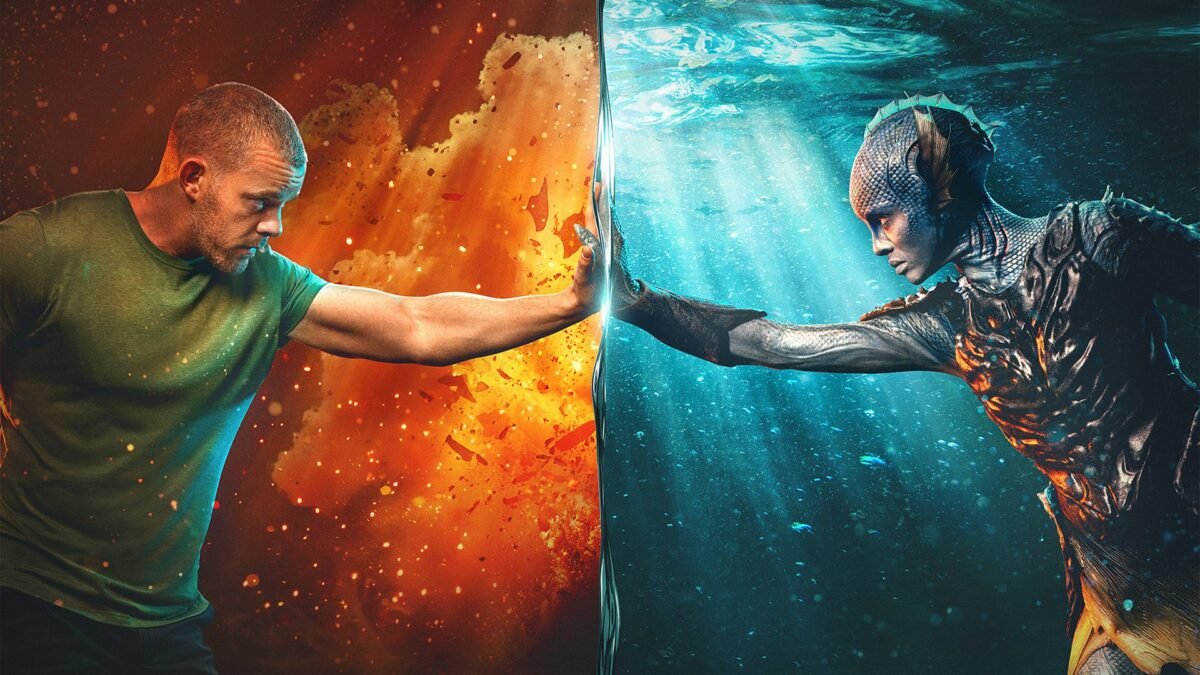
Compare this to The War Between the Land and the Sea at the start of 2026, which was promoted hard through trailers, small, and large-scale billboards across London and via other mediums through Disney. It didn’t mention any connection to Doctor Who, rather pitching itself as a totally different product rivalling streaming blockbusters. (In the end it didn’t even make it onto streaming service Disney+ in the USA, despite being co-produced by Disney and Bad Wolf for the very purpose of cracking North America.)
Mass Promotional Strategy
Then back to the 2000s. Social media existed back then, but in group spaces in which you went to a themed Reddit thread or fansite to discuss the show. It wasn’t like Instagram and other platforms today where you can accidentally come across Doctor Who content either through a promoted post or a casual Joe posting about it and that making it onto your feed.
So to reach the mass population, the promotional strategy had to rely on the tools BBC had to hand rather than word-of-mouth about the show. David Tennant appeared on Top Gear (very different to appearing on a chat show like The Graham Norton Show and one of the BBC’s biggest commerical properties at the time), there were episodes of Eastenders in which Doctor Who really heavily featured, there were science documentaries that directly addressed the science fiction elements of the show, and the show was given its own website which was updated almost daily when series were being broadcast and semi-frequently through the rest of each year.
Exclusive fiction and comics, aimed at attracting the attention of young children who would feel like the gap between series is a lifetime wait, were posted there and the Doctor Who brand was big because the BBC made it so. 2005 to 2008 was not just one of the peaks of the show creatively, but also in terms of promotional strategy.
When the Eleventh Doctor appeared, the show was performing so strongly domestically that there was more focus on gaining views on BBC America, and Torchwood’s fourth series Miracle Day was co-produced with an American network as part of building brand awareness in a nation that likes intense action more than British whimsy on their television screens.
The Streaming Landscape
While the power of social media and online-only media for growing reach continued to increase, minisodes, prequels and in-universe clip-length material were common through the show’s Steven Moffat-helmed era as Doctor Who and the BBC faced far more competition in an increasingly competitive television landscape, since more American shows were reaching Britain through the likes of Netflix.

So when Chris Chibnall took over at the top and the Thirteenth Doctor was introduced, Doctor Who went big on promotion again. Again, billboards appeared across Britain, including a landscape one which used huge colour contrast to immediately stand out, and alongside a very yellow version of Jodie Whittaker’s face was the “It’s about time” tagline. That functioned as a show descriptive and a reference to the show ‘modernising’ by now having a female Doctor. The billboard mentioned the show was available on BBC iPlayer, ignoring its place on television.
The portrait billboards cast the Thirteenth Doctor in total shadow, haloed by the sky behind and the TARDIS in the distance. Aside from the Doctor Who logo, it offered little info about what the show was or how to watch it. It prompted viewers to get their phone out and Google what was happening. A risky strategy, but Doctor Who was certainly a cultural talking point at the time due to Whittaker’s casting even if the show wasn’t popular.
What also stood out were these billboard ads could be seen in many cities and towns, reaching commuters, locals and shoppers across the country. People who still weren’t heavy social media users were now being exposed to Doctor Who in the boldest way possible, reminding them the show exists.
Catching Up
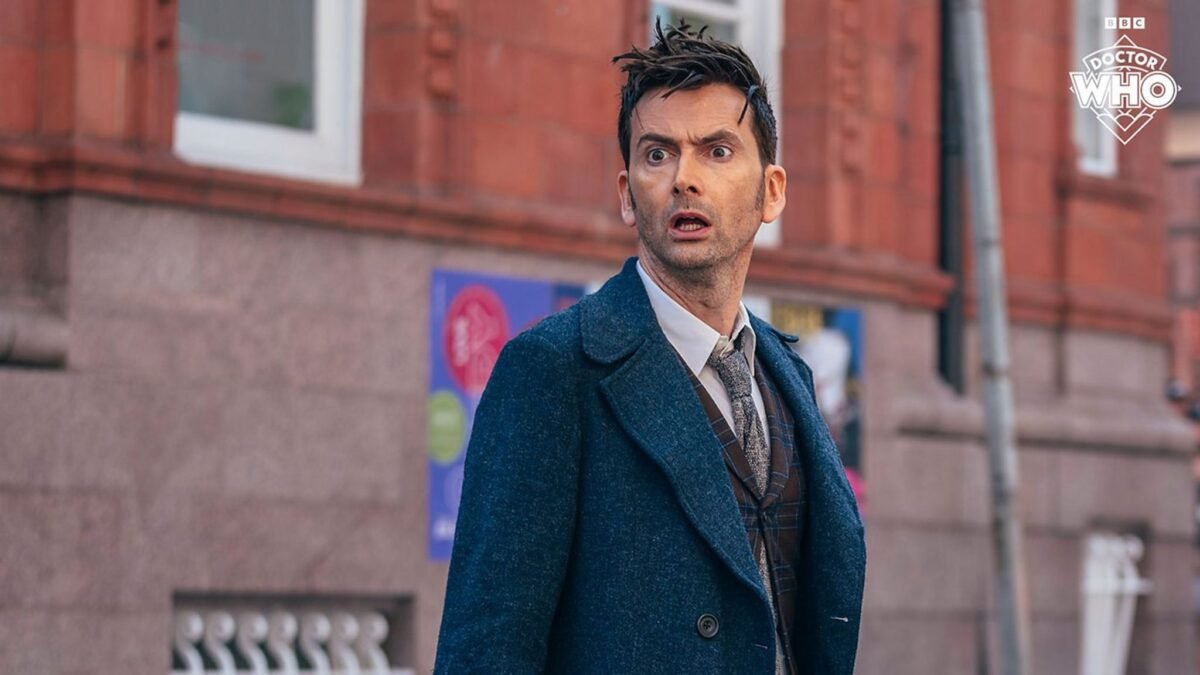
When the Fourteenth Doctor era arrived, the show’s future was at risk and while the co-production deal with Bad Wolf Studios and then Disney+ ensured Doctor Who would still be on air, that alone wasn’t enough. The return of David Tennant as the Doctor and Catherine Tate was significant.
Given the 15-year gap from when series four aired, the children who had fond memories of Saturday nights in front of the television then were now adults who, as polling showed, were engaging with television less and less.
The BBC and Davies agreed (comment if you know who suggested it) that familiar elements were required to bring audiences back to television screens rather than mobiles (a big contrast to the recent Doctor Who production tender put out). The BBC used The Star Beast‘s air date in promotional material, but as was policy across all of its output by this point, the approach was to focus on BBC iPlayer first, then on catch-up.
Oh, and you could watch on TV, too.
This applied mostly to the flashy trailer for the 60th Anniversary specials, since the announcement of the specials by the BBC opted for a picture of Tennant and Tate together, grinning. What was noticeable about this? They weren’t in costume.
It would capture the eye for an uninterested non-fan as ‘tune in for the names and familiar faces of these actors, not for the characters’. Most headlines, even by the BBC for its Doctor Who press releases and social media posts, were ‘David Tennant and Catherine Tate return to Doctor Who’ rather than the Tenth Doctor and Donna.
Old Doctors returning is not new in Doctor Who. But the production team denied themselves the opportunity to promote the return of the Tenth Doctor by creating a brand new incarnation, except Davies’ quote in the announcement was actually vague about who Tennant was playing beyond being ‘the Doctor’.
“They’re back! And it looks impossible – first, we announce a new Doctor, and then an old Doctor, along with the wonderful Donna, what on earth is happening? Maybe this is a missing story. Or a parallel world. Or a dream, or a trick, or a flashback. The only thing I can confirm is that it’s going to be spectacular, as two of our greatest stars reunite for the battle of a lifetime.”
While that quote is quite cryptic, serving as a hook to draw in potential viewers, it’s also the opposite of a marketing strategy. It’s basically saying those who are creating the product don’t know what the product will actually be…
Promotion or Diversion?
But the BBC’s promotional strategy at this point, a year in advance of broadcast, had to be less ‘flashy’ because they couldn’t overshadow what had been announced a few weeks earlier in 2022: Ncuti Gatwa was to be the new Doctor.
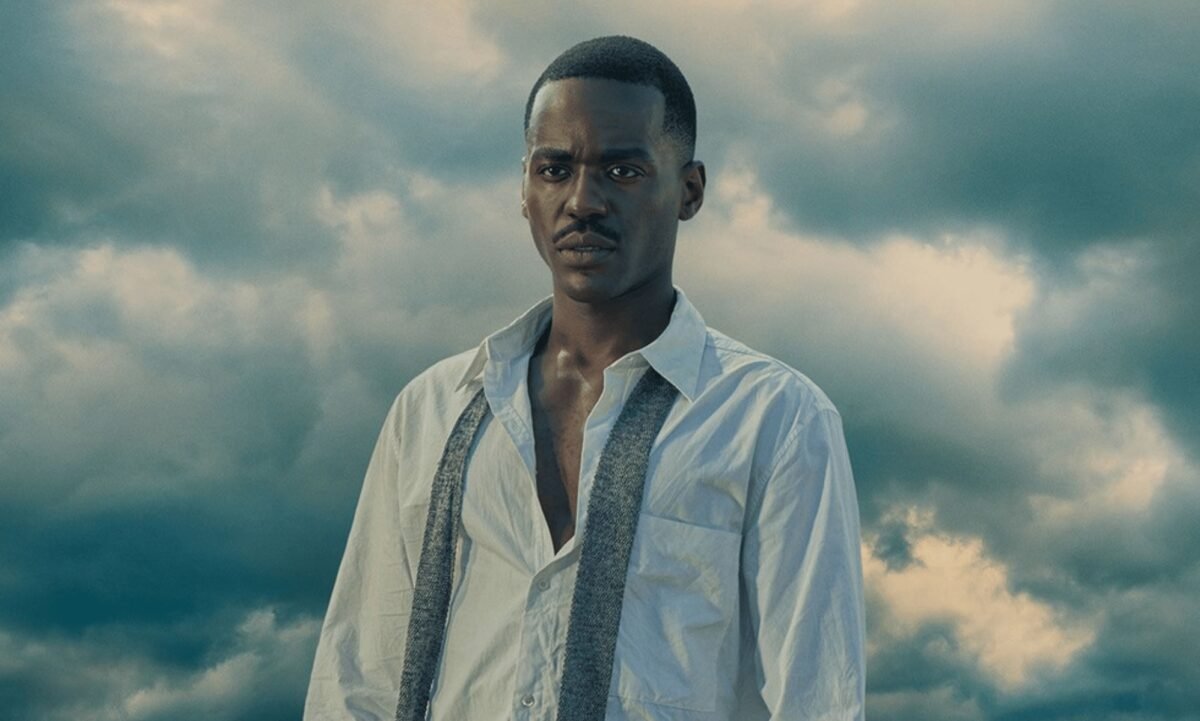
But due to filming commitments, for some months the presumed long-term future of the show existed primarily as old news stories featuring an actor’s headshot.
In October 2022, Disney was announced as Doctor Who’s global distribution partner, meaning part of the show’s marketing could be outsourced to the American behemoth and its far bigger budget. Since I live in Britain, I cannot comment on whether Disney did promote the show heavily abroad, but I know billboards were spotted in California in 2024.
Stream On Disney+!
When ‘season one’ featuring Gatwa finally arrived, Disney did spend on both physical and digital advertisements in the UK. The show was marketed as ‘BBC presents… Doctor Who… Disney+’. The option to watch on television was ignored because Disney was out to promote its streaming service, with Doctor Who one of many shows featured in a wider promotional campaign of what people in the UK could watch if they subscribed.
As a Doctor Who fan, it was easy to have my eyes drawn to seeing Ncuti Gatwa on a poster on the Underground, and not spotting a different Disney+ show being Some parts of the BBC stated the actor would be the Fourteenth Doctor, while Doctor Who’s own website did not, and there was no costume reveal because filming was far away. But there was only one characterful photo of Gatwa issued alongside the announcement, with the other photo supplied being his acting headshot. Some news websites ran with the photo showing a bit of flamboyance, a hint at how his incarnation may be. Others used the headshot, designed to be bland, neutral and just a clear photo of a face.advertised in that slot a few weeks later.
The BBC did issue posters and I believe billboards too with adventurous – rather than static – poses (as favoured by Disney) from the show’s new lead actors, doing the same for season two. But the likelihood of seeing a billboard promoting season two was far smaller, and both series were trumped by the promotion that went into The War Between the Land and Sea.
Living in London, I could not escape this promotional campaign. Disney ran trailer ads on YouTube, they bought digital billboard space as well as physical ones, and in the weeks leading up to broadcast made sure as many people knew the show was on its way. Without any indication it was linked to Doctor Who. It was explicitly not marketed at the existing show’s fans.
The Broken (Promotion) Circuit
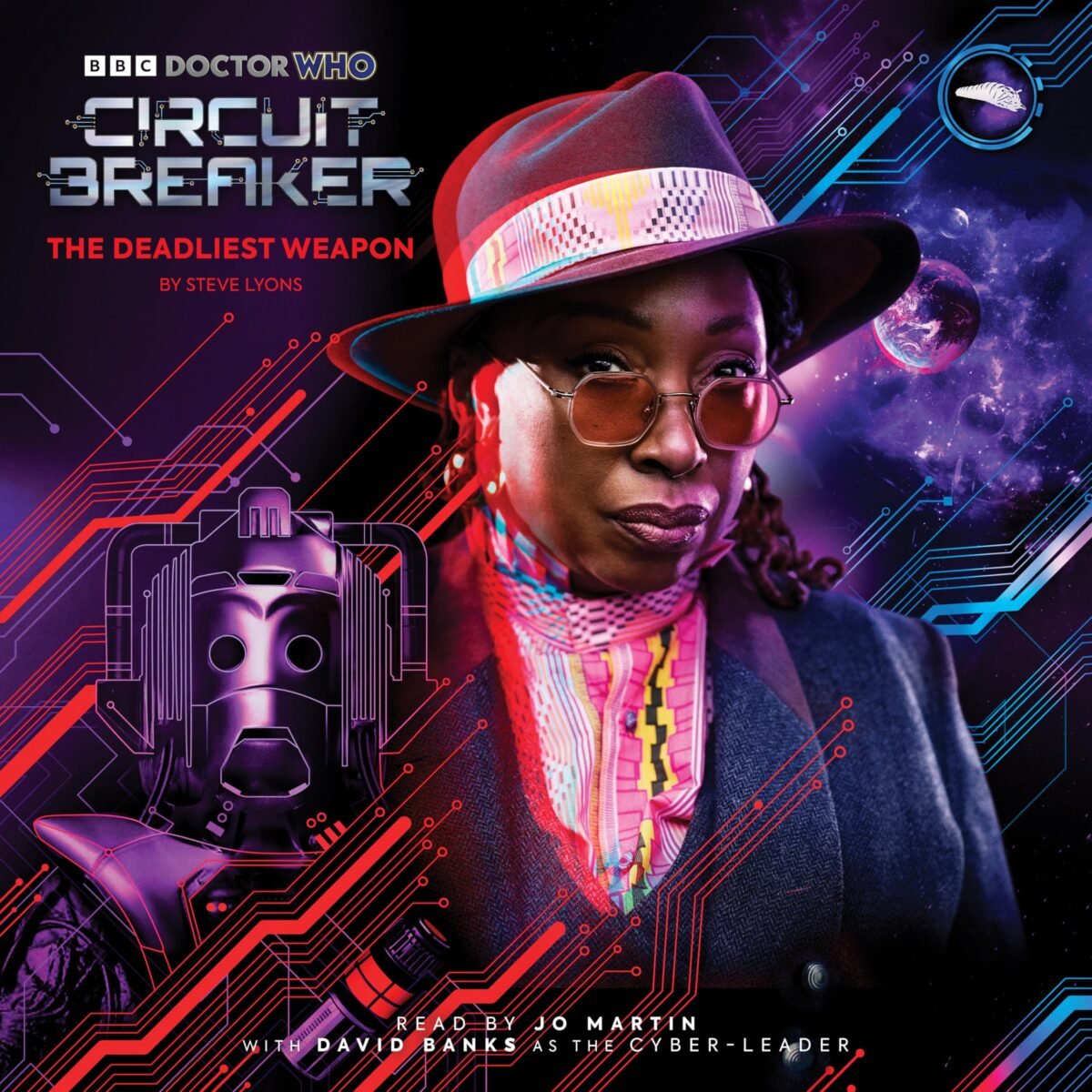
Now for Circuit Breaker.
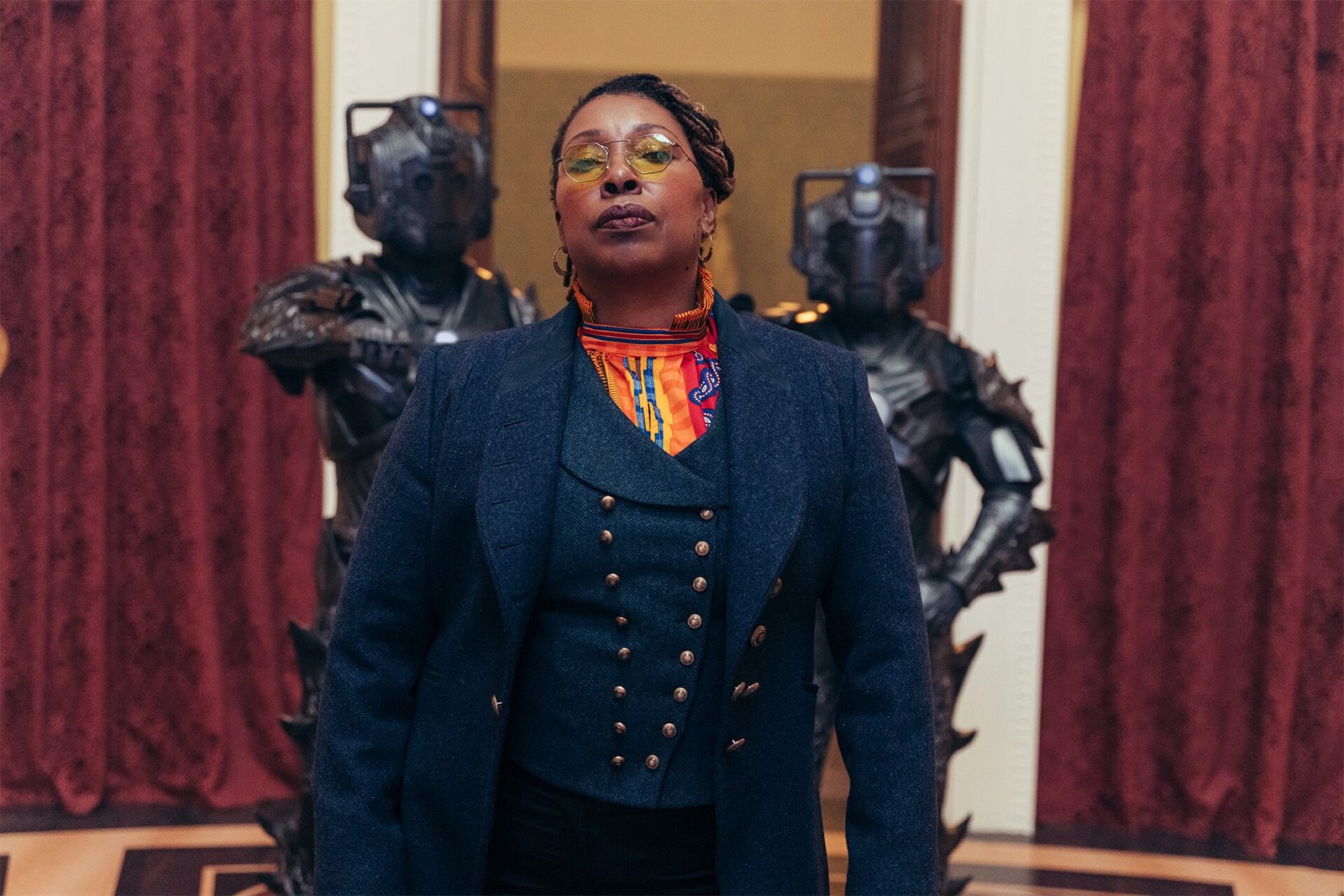
Jo Martin has recorded short straight-to-camera clips as the Fugitive Doctor to promote this multi-medium series, which is filling the second half of 2026 for the Doctor Who brand. But she has featured in nothing that would require a production team or a large camera with a specialist lens (which is how historically viewers could distinguish the likes of Doctor Who from a show like Eastenders within seconds of tuning in).
This is a missed opportunity, but I understand based on quotes Martin made at the 2026 Bedford Who Charity Con that a back issue has plagued her at times this year, and that certainly restricts her from doing anything action-heavy for the camera.
As with the Disney+ deal, the promotion of Circuit Breaker has been outsourced to an extent through the likes of Big Finish Productions which is responsible for the audio dramas that feature in the series. Doctor Who’s social media accounts have definitely been busy, and both exclusive in-universe content and interactive material has been put on the show’s website to encourage engagement there.
But watch television, turn on iPlayer, listen to BBC Sounds or check the culture section of the BBC News website and there is not a single mention that there is brand new Doctor Who basically every fortnight to be enjoyed, featuring what is essentially a new incarnation (albeit before the First Doctor in their personal timeline)/take on the main character.
How many people know that a black woman is the focus of Doctor Who right now, and does the BBC care about how many people know?