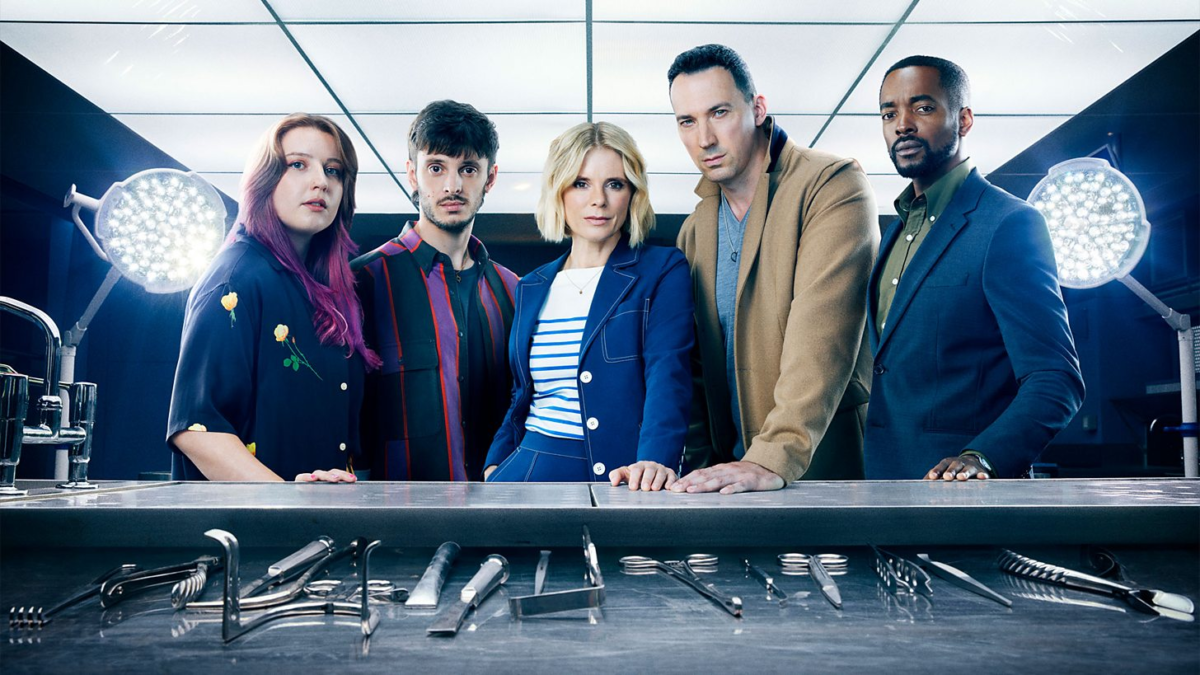
The BBC’s forensic science and crime drama Silent Witness was put out to tender on 10th September, 2026, and the tendering document offers us a unique insight into the process in store for Doctor Who.
The Invitation to Tender – ITT – document for Silent Witness was published on 10th September, 2026. It begins with a statement that, as part of the 2017 BBC Charter, the BBC committed to putting more programming, including series that previously were produced in-house, out to tender. (This provision presumably resulted in Doctor Who being made by Bad Wolf for BBC Studios and Disney+.)
Companies interested in making Silent Witness are invited to submit their proposals; the BBC will then produce a short list of four or five suppliers, and invite them to detailed discussions about those proposals. A key factor in success, the ITT states, will be a proposal to develop writers, directors, and other off-screen personnel.
The ITT for Silent Witness begins with an overview of Silent Witness, noting that it has run for 31 seasons and thirty years and is a core part of the BBC 1 schedule. (So, like Who, it’s an old and much loved show.) Silent Witness has been made in the West Midlands and the ITT expects tendering companies to keep to that production base, which might explain why only UK companies are invited to bid for the programme.
(Will the ITT expect companies to continue to make Doctor Who in Wales?)
Could Doctor Who be back this decade?
The document invites companies to bid to make two seasons of ten episodes each, with an option to extend the contract for another two years. The first series must be delivered to the BBC by the end of 2028, with broadcasts starting in 2029. (Are we to expect no new Who until 2029, then?)
The BBC is to keep all intellectual property rights to the programme and the BBC itself will put in £10.8 million of licence fee money to fund each season. (Putting in the money presumably ensures that the BBC keeps control of the intellectual property and has input into the ongoing creative process.)
Tender eligibility to make Silent Witness closes on 25th September 2026 at 1400 hours (better get your submissions in sharpish, boys and girls), with eligible tenderers being notified on 9th October 2026. Any company that doesn’t meet the stringent policies in the ITT would thus be quickly weeded out.
On 16th October, a briefing meeting will take place between the BBC and eligible tenderers/bidders; in early November, there will be “preliminary distribution conversations” with those tenderers; in late November, final submissions from production companies will close. In early December, tenderers will be issued with more information, should they require it, and final interviews will start in January 2027. In March 2027, the award of tender will be finalised and the contract signed.
The ITT includes a summary of the 30 year run of Silent Witness and says it expects bidders to have a full understanding of the programme. (Presumably they would expect similar things from anyone wanting to make Doctor Who.) The BBC explains that companies should demonstrate an ability to maintain and develop compelling, long-running storylines and characters, and to introduce new characters to help the series evolve. (Again, similarities here with Who.)
Fireproofed brand
Bidders need to show that they have access to established and emerging writing talent; they also need to show how they will “fireproof” the brand of Silent Witness. This means showing how the show would evolve creatively, engage the audience and innovate while preserving the distinctive qualities that make Silent Witness one of the UK’s most distinctive dramas. (If these principles are applied to companies wanting to make Doctor Who, this could be good news.)
Tenderers are also invited to submit any digital first or social media ideas which could complement the brand.
Will the Invitiation to Tender expect companies to continue to make Doctor Who in Wales?
Furthermore, the BBC expects its core values to be adhered to: paying the living wage (which is somewhat above the national, statutory minimum wage) and providing opportunities for neurodiverse, deaf and “disabled” [sic] talent behind the scenes. The ITT document notes that the existing maker of Silent Witness, BBC Studios –will be bidding for the programme (BBC Studios similarly appears to be preparing a bid to make Doctor Who).
So that’s it: the ITT for Silent Witness is a carefully written and considered document, which shows that the BBC is taking great care of one of its flagship shows. If the tender process and ITT for Doctor Who follows similar lines, it could mean a great future for the show. Perhaps the BBC will learn from its experience with Bad Wolf and Disney+, when it got its fingers burnt, and take greater care in its choice of programme maker and showrunner?
The BBC Studios factor
It is interesting that BBC Studios is bidding to make both Silent Witness and Doctor Who. BBC Studios itself effectively operates as a private company, financed in part by sales of BBC programmes and merchandise, but also – and primarily – by licence fee money. It made Doctor Who in the later years of Jodie Whitaker’s tenure, and Chris Chibnall noted the headaches the transfer of production from the BBC to the new company, BBC Studios caused.
On another note, the BBC Royal Charter runs out in 2027. A Royal Charter is a peculiarly British thing: the BBC has a Royal Charter, as do colleges at the University of Oxford and the Worshipful Company of Makers of Playing Cards. It is written on vellum and signed with the Monarch’s red seal, and discussions to renew it are underway at the moment. Unlike other Royal Charters, however, the BBC’s Charter only lasts for ten years.
A report in The Guardian on 10th September, 2026 suggested that Lisa Nandy (the Secretary of State for Culture, Media and Sport) and the government are broadly in favour of the BBC and in its long term survival. They are in favour of changing the status of the BBC Charter from ten years to a permanent charter, in order to future-proof the BBC against any hostile government which might want to end the corporation. (In practice, Parliament could legislate to abolish the BBC anyway, permanent charter or no.)
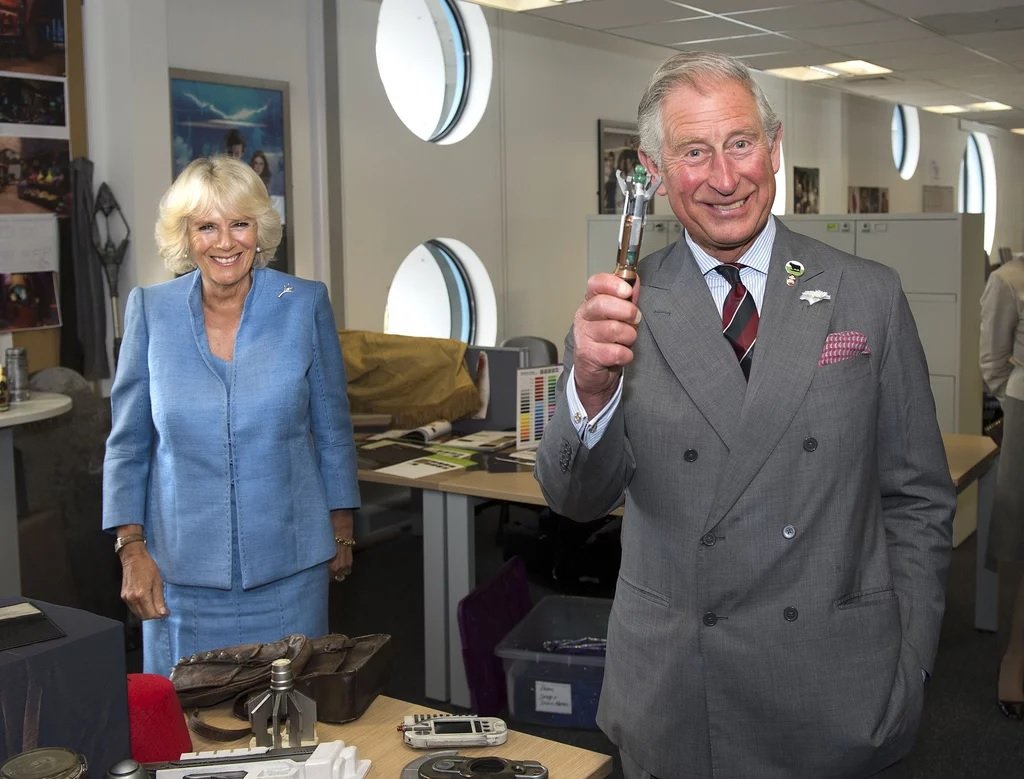
If that were to happen, the real estate and hardware of the BBC would revert to the state, if not the Crown, as the BBC exists by Royal Charter. (What would Charles do with all those TV cameras, eh?) BBC Studios, which effectively operates as an independent company separate from the BBC, would then presumably survive the end of the BBC and the intellectual property of the BBC might pass to BBC Studios: thus helping to ensure the survival of Doctor Who.
You can read the full text of the ITT for Silent Witness at https://www.bbc.co.uk/commissioning/documents/silent-witness-invitation-to-tender-september-2026.docx
If the BBC ceased to exist, BBC Studios could, in theory, survive as an independent company.
(Image credit: “BBC” by Tim Loudon, CC BY-ND 2.0)