Maybe humanity is a disease. It certainly is infectious.” – Emil Farful
While roaming all of time & space, the Doctor has traveled with many companions. These people he collects, or as Missy might call them, “stray pets”, have always been important to the Doctor’s mental well being. It’s something he doesn’t always acknowledge, but he recognizes it.
These people, usually humans, help him see the universe through their eyes as if it were brand new, because he no longer can. He’s very old, and most things fall into the “been there, done that” category for him.
These companions also soften his sharp edges, they breathe humanity into him. They remind him who he strives to be. The first Doctor had little to no patience for humans, their practices, or their world. It was his granddaughter Susan who convinced him to stay there for awhile so she could immerse herself in human culture by attending school there. The whole affair irritated the Doctor.
And when Susan’s schoolteachers Ian Chesterton and Barbara Wright sought out Susan’s mysterious grandfather, confronted him, and barged into his ship, he’d had quite enough. He bolted, dematerializing the TARDIS, dragging them along as well. And there was little chance of returning to the same planet, much less the same time.
Not particularly nice

He’s always been described as “tetchy”, and no wonder. That first incarnation was nothing like the man we eventually came to know. He was angry, impatient, argumentative, selfish, dishonest, secretive and manipulative. At first. A good example of his mindset back then was as they were trying to escape the Tribe of Gum, the Doctor was seriously considering caving in a wounded man’s skull to quiet him, until Ian stopped him.
Such behavior eventually melted away thanks to Ian and Barbara’s influence. It was the first step toward a very different outlook and attitude for him. He soon came to cherish the couple from Coal Hill school, and was devastated when they chose to leave. Their presence had changed him for the better. To that first incarnation, his subsequent companions were closer to being his adopted children as time went by.
The thrust here is that the longer the Doctor is in the company of humans, the greater the effect they have on him. In ever more surprising ways.
Uncle Doctor
When the second Doctor appeared, he was a very different man. Whimsical, friendlier, he welcomed his companions more as friends and students who he became very close to. A sort of kindly uncle or mentor.
When he transformed into the dashing, if somewhat patronizing third incarnation, that’s where things started to get a bit complicated with companions, and their effects on him.
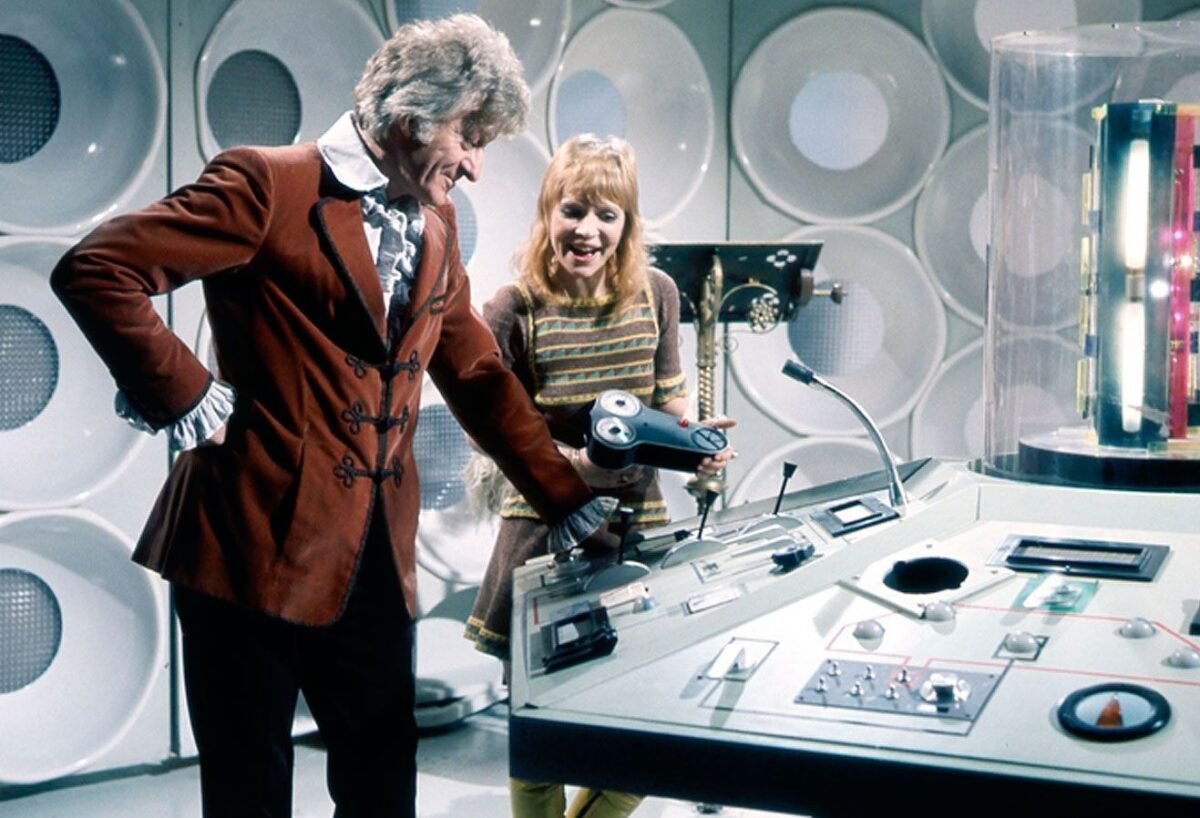
Liz Shaw was considered a respected peer who the Doctor could talk science with. But Josephine Grant was a different matter. She was a plucky, joyful girl, somewhat ill-suited as a UNIT operative, but made for a fine and eager assistant.
Over the years that followed, he grew to appreciate Jo, caring for her deeply. It was a very loving, yet platonic friendship. That’s all it really could be, because of who the Doctor was. As the 10th Doctor informed Rose, they could spend their whole life with him, but he couldn’t spend his whole life with them. They would grow old and die, while he would just go on and on.
It’s a line the Doctor couldn’t cross. But it also veered into the territory Missy mentioned. Moffat struck just the right note with some of Missy’s descriptions of relationships, and friendships between Time Lords and how they operate on a whole other level that humans simply can’t comprehend. I think that’s a very important distinction that even some showrunners were never quite able to grasp.
Loving the Alien
Yes, a Time Lord’s emotional bandwidth is complex and alien. They would have to do some intense internal reorientation to come down to the level of falling in love with a human. That being said, it’s not impossible, it’s just how it is. Missy likens it to someone falling in love with a pet, and while that sounds distasteful, even crude, it’s not that far off the beam when looking at it from a Time Lord perspective.
Such a thing might even be considered forbidden or taboo on Gallifrey, but then again, as we are all too well aware, Time Lords, as a whole, have a LOT of issues. But that’s a different discussion. Now back to the life, love, and tribulations of our favorite hero.
I think it comes down to the situation the third Doctor found himself in. Exiled to Earth. His knowledge of the inner workings of space/time taken away. Forced to work with the Brig. The Master constantly hanging around like the sinister house guest who refuses to leave.
Simply put, he was vulnerable.
Yes, he cared for Jo a great deal, loved her in his way, but didn’t fully realize where his head was taking him until she found Cliff Jones and left with him. But that development opened up a door. These companions continued to affect him, usually for the better, but yes, things started to get a bit more intense.
And then there’s regeneration. Each time he became a new man, everything got altered a bit. He retained his memories, but it was easier to move on to greener pastures with a new body, a new outlook. He’s basically the same person, but reset, refreshed.
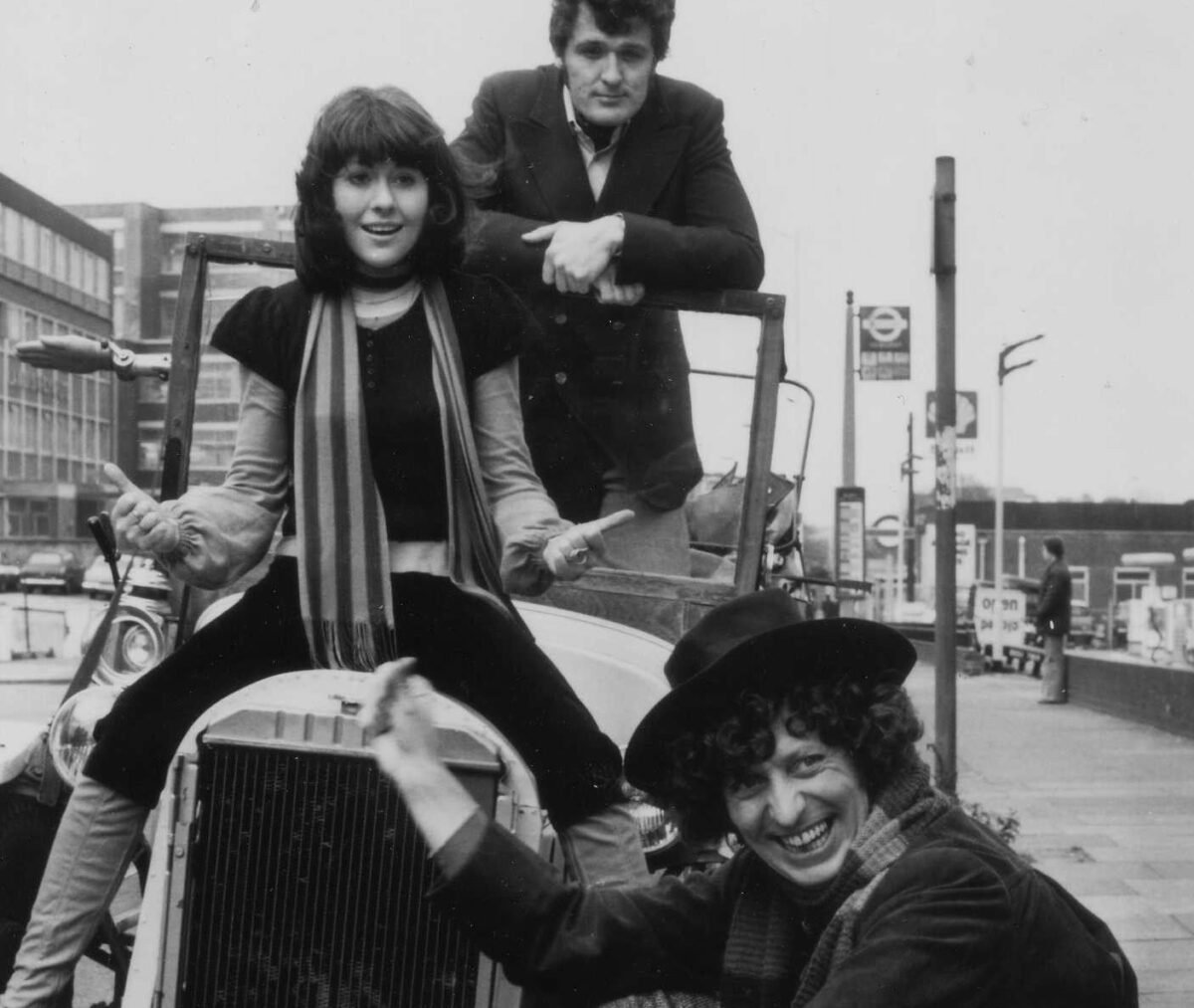
Whereas the third Doctor thought of Sarah Jane in one way, very different from Jo, the fourth incarnation was welcomed into the world by her and they became much closer, putting him in an even more emotionally precarious spot.
In the nu-Who era, the companions usually had an extra layer of depth, and the reality of traveling with the Doctor was so well realized, that it took some serious doing to find a plausible reason for any of them to leave. Otherwise, they’d stay forever.
This also happened with Sarah. They were becoming more and more like a married couple. Four was very different from Three, but this companion was getting closer and closer to him. The only reason it stopped this time was because of the call from Gallifrey. This was, for our Time Lord, an even closer call than with Jo. But, the situation resolved itself. He moved on.
Leela was more of a student he felt he could instruct and enlighten. Romana was another peer, and whatever that relationship really was, it was all Time Lord. Adric, Nyssa and Tegan, were mostly unwanted annoyances at first, that the fourth Doctor escaped and the fifth Doctor mostly tolerated, and eventually accepted. Turlough: tolerated. Peri: accepted and liked. Mel was loud.
Ace was another favored student and friend.
Doctor of War
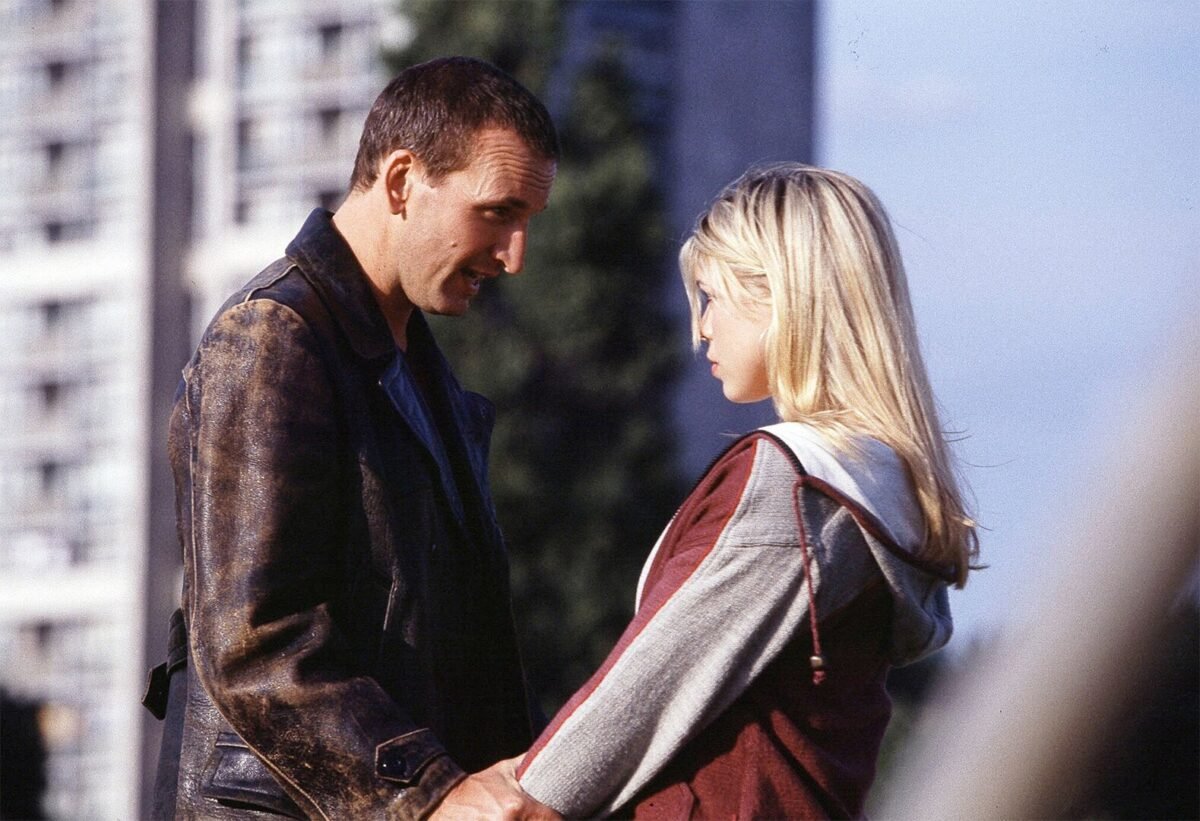
The Doctor didn’t have to navigate romantic waters again until the next time he was especially vulnerable — after the Time War. The ninth Doctor was moody, unbalanced, volatile… essentially had PTSD, which, considering what he did to end the war, was understandable.
Showrunner Russell T. Davies indulged his love of soap opera romance, and initiated a major sea change in the Doctor’s emotional spectrum. Thus, when this war damaged Doctor regenerated into no. 10, and Rose was there for his arrival, this new incarnation, part Casanova, quite often let his heart do the thinking. But those barriers, while still strong, were slowly breaking down.
I think it’s down to each fan to consider the good or ill of that era. I’ve never been in favor of the Doctor becoming so human or overtly romantic and I know I’m not alone in that. Though when you consider how he was written into this position, I can understand the cause and effect even though I don’t necessarily agree with the decision.
The saving grace here is that much can be attributed to the fact that each incarnation is different, with different traits, habits, feelings. Ten’s romantic inclinations were about as out of place and “out of character” as Three’s sudden propensity to take out thugs with Venusian Akido. Different incarnations, different leanings, so there are precedents.
Wifey-Strifey
And everything did change again with the next incarnation. Whereas Ten was very much the smooth operator, Eleven was awkward, and a bit out of his depth at times. There was the deep friendship with Amy and Rory, and of course there’s River Song, but she wasn’t a companion, she was his Timey-Wifey.
VERY different scenario.
Then came the bizarre mooning and drooling over Clara. It was as if he was trying to live up to his predecessor’s reputation, and couldn’t get the hang of it.
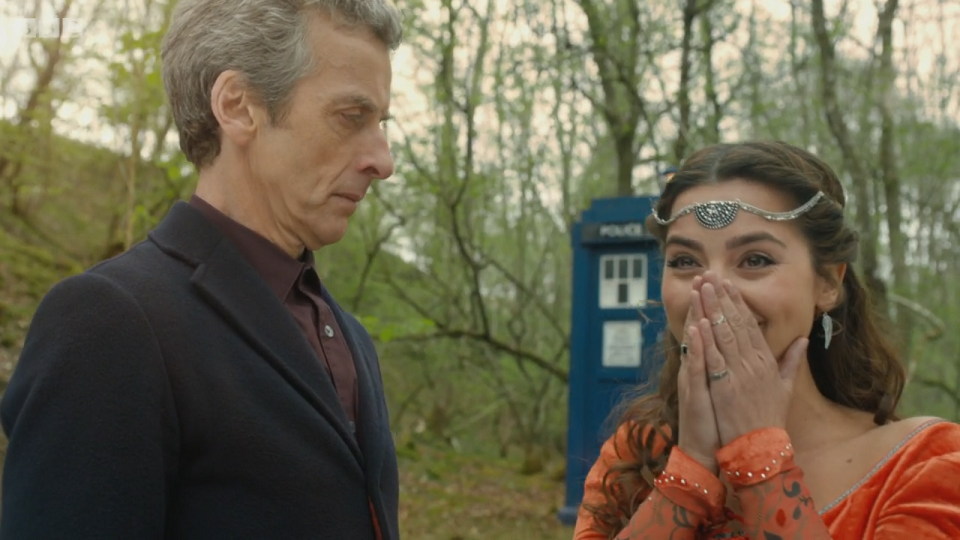
That relationship with Clara changed dramatically with Twelve. Ten’s feelings for Rose were similar to Four’s and Sarah, only more advanced. Twelve’s adoration of Clara was more along the lines of Three and Jo, only exponentially greater, as exemplified by 4.5 billion years trapped in a confession dial to protect her.
Now THAT’S love. It’s not traditional or anything close to ordinary, but then again, a Time Lord is anything but ordinary.
When 13 came on the scene, there was another change in the Doctor/companion relations. This incarnation oscillated between excitedly celebrating her “fam”, and disregarding them as if they were bothersome pets. Any development or growth of Graham, Yaz and Ryan constantly hit speed bumps throughout the era, so it was difficult to get a reading on Thirteen’s true feelings.
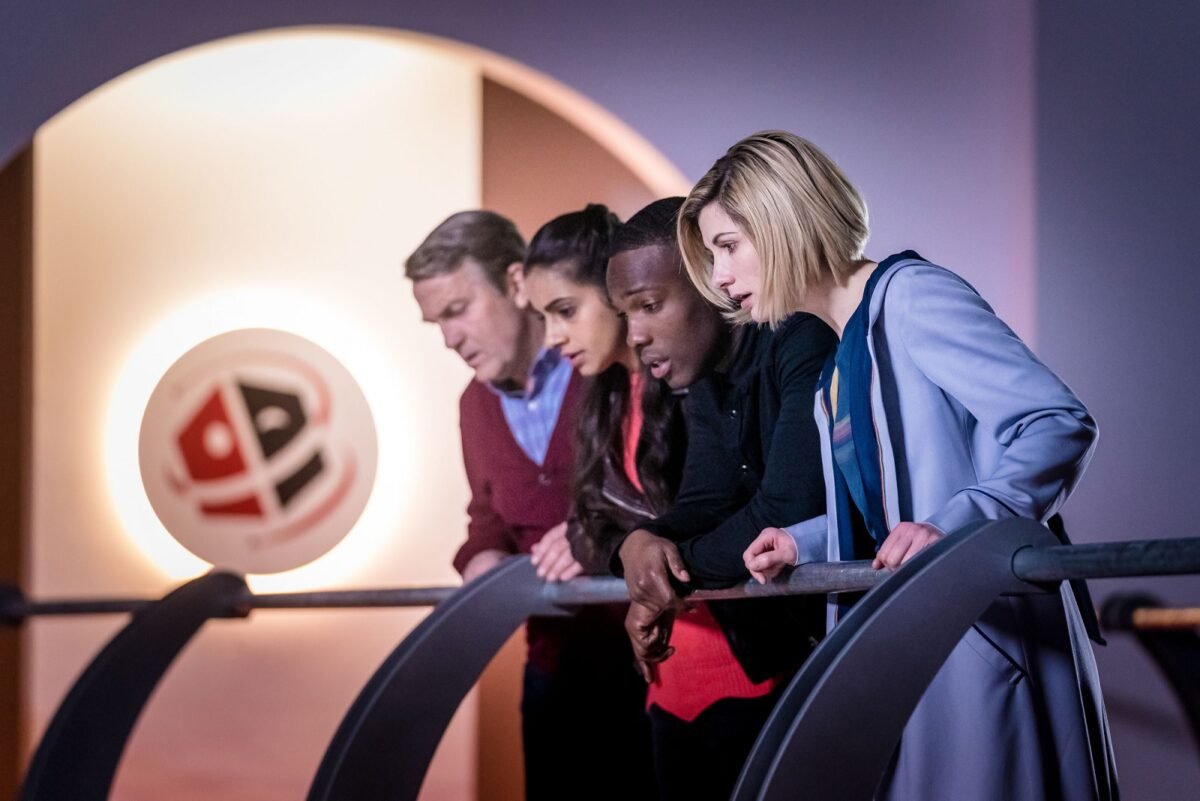
There was quite the disconnect, until the fan base started “shipping” Yaz and Thirteen, which prompted then showrunner Chris Chibnall to stir something up between them. That resulted in the barriers reaffirming themselves, and the Doctor explaining once again it can’t happen. Since then, the potential for a Doctor/companion tryst has yet to resurface.
The 14th Doctor was actually the 10th’s body returning along with Donna, and their relationship as mates remained the same, while Fifteen, as written, wasn’t romantically interested in either Ruby or Belinda.
So, in the end, even though each incarnation is different inside, day to day circumstances and real life trauma can sometimes touch even the hearts of a Time Lord.